Sewer Inspection Camera Explained: A UK Buyer's Guide
Sewer Inspection Camera Explained: A UK Buyer's Guide
A blocked or damaged drain rarely gives much warning. One day a toilet is slow to clear, a gully starts backing up, or a foul smell appears around the property. The difficulty is knowing what is happening underground without digging, guessing, or paying for repeated call-outs. That is where a sewer inspection camera earns its place.
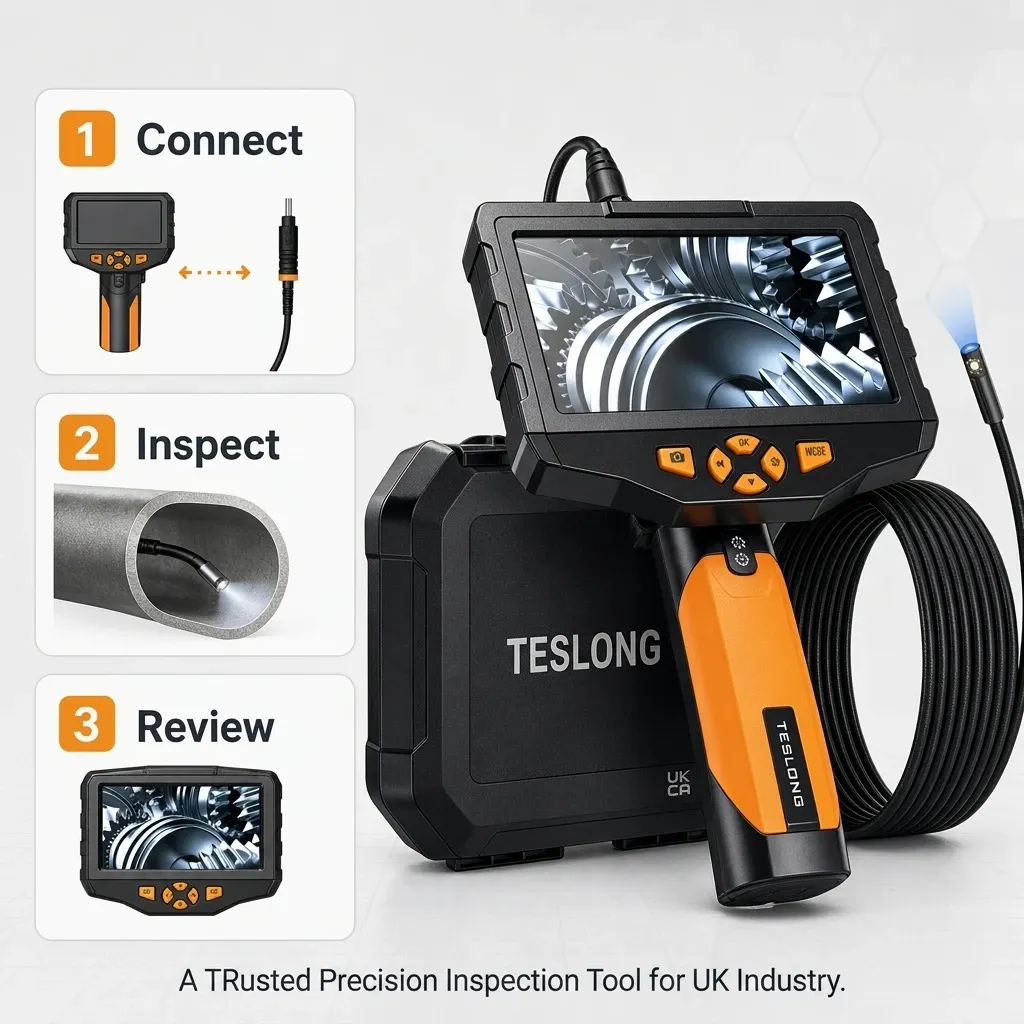
For UK plumbers, drainage engineers, landlords and practical homeowners, a modern inspection camera can turn an uncertain diagnosis into a clear visual answer. With a standalone unit, there is no need to balance a mobile phone near dirty worksites or rely on patchy apps. DualLensIn’s approach is simple: Professional Teslong Borescope & Dual Lens Inspection Camera, designed to deliver crystal-clear 1080P visibility with a standalone dual-lens snake camera, no phone required.
This guide explains what a sewer inspection camera is, how it works, what to look for before buying, and which features matter most in the UK market.
Key Takeaways
- A sewer inspection camera helps identify blockages, root ingress, cracks, standing water and joint failures without excavation.
- For UK buyers, the most important features are image quality, cable length, waterproof rating, battery life, screen usability and push-rod durability.
- A standalone 1080P dual-lens system is often more practical on-site than a phone-dependent device.
- Landlords, tradespeople and homeowners can reduce guesswork and avoid unnecessary repair costs by inspecting before acting.
- If you also maintain roofs and external drainage, see The Ultimate Guide to Gutter Inspection Camera in the UK for above-ground inspection advice.
What is a sewer inspection camera?
A sewer inspection camera is a specialist visual inspection tool used to examine the inside of drains, soil pipes, underground waste lines and sewer runs. It typically consists of a waterproof camera head mounted on the end of a flexible but robust cable, connected to a display unit that shows a live video feed.
The camera is pushed through the pipe so the operator can see what is happening inside in real time. That may include grease build-up, scale, debris, displaced joints, collapsed sections, corrosion or tree root intrusion. In practical terms, it replaces guesswork with evidence.
In the UK, this matters because much of the housing stock includes ageing drainage systems, clay pipework, extensions tied into older runs, and properties with shared drainage arrangements. A visual inspection often saves time before jetting, rodding or arranging excavation.
Why a sewer inspection camera matters in the UK
Drainage faults can be expensive when diagnosed late. According to Water UK, the UK sewer system includes more than 380,000 kilometres of sewers and rising mains, showing the sheer scale of underground infrastructure in use across the country. Older local networks and private drains alike are vulnerable to blockages, wear and ingress over time. Source: Water UK.
For homeowners, the first sign may be a backed-up sink or outdoor drain. For landlords, the issue may emerge as a tenant complaint, damp smell or repeated emergency call-out. For contractors, speed of diagnosis affects profit, scheduling and customer confidence.
A sewer inspection camera is especially useful in the UK where:
- Many homes still connect to older drainage systems.
- Tree roots commonly affect underground pipework in established residential areas.
- Weather patterns can worsen silt, debris and surface water issues.
- Commercial and rental properties need documented evidence before repair work.
- Access points are often awkward, narrow or hidden beneath covers and landscaping.
Inspection also supports safer maintenance decisions. In settings linked to facilities management, housing and public-use buildings, seeing the fault before intervention can reduce unnecessary disturbance and improve planning.
How a sewer inspection camera works
The basic principle is straightforward. The camera head enters the pipe, onboard LEDs illuminate the interior, and the live feed appears on the monitor. The operator advances the cable slowly, watching for changes in pipe condition, obstructions or defects.
Camera head and lighting
The camera head needs to be waterproof, impact-resistant and small enough to navigate standard drain sizes. Built-in LED lighting is vital because sewer and drain lines are completely dark. A poor light source produces grainy footage and missed detail.
Push cable
The cable must be flexible enough for bends but stiff enough to push through longer runs. Cheap cables often buckle or twist, especially in awkward sections.
Display unit
A dedicated screen is often the better choice for field work. Mud, gloves, rain and glare are all common on UK sites. A standalone monitor gives immediate viewing without relying on app pairing, battery drain from a mobile, or poor signal handling.
Dual-lens viewing
A dual-lens inspection camera gives a more useful perspective than a single forward-facing lens alone. In drainage work, seeing not just ahead but also around the pipe interior can make it easier to identify sidewall defects, branch connections or deposits that would be easy to miss.
This is where the DualLensIn proposition fits naturally: crystal-clear 1080P visibility with a standalone dual-lens snake camera, no phone required. That combination is practical rather than gimmicky. Better clarity and better viewing angles usually mean quicker decisions.
Who should buy a sewer inspection camera?
Not every buyer needs the same specification. The right choice depends on how often the camera will be used, the type of pipework being inspected and how critical reliable footage is to the job.
Plumbers and drainage engineers
Trade users need durability, dependable image quality and enough cable length for common residential and light commercial work. A camera that saves one unnecessary excavation or repeat visit can justify its cost quickly.
Landlords and letting agents
For rental properties, a sewer inspection camera can help verify the cause of recurring blockages, support maintenance records and provide visual evidence when arranging repairs. It can also be useful between tenancies where drainage history is unclear.
Homeowners with recurring drainage problems
If your property suffers repeated blockages, slow waste flow or unexplained odours, an inspection camera can help identify whether the issue is local debris, root ingress, a pipe defect or standing water from poor fall.
Property maintenance teams
Housing associations, estates teams and maintenance contractors often need practical inspection equipment for rapid checks across multiple sites. A standalone system is often easier to issue, store and use than app-reliant gadgets.
What problems can a sewer inspection camera identify?
The value of a sewer inspection camera lies in diagnosis. It helps answer the question: what is actually causing the problem?
- Blockages from wipes, scale, grease, silt or debris
- Tree root ingress entering through joints or cracks
- Cracked or fractured pipes in ageing clay, pitch fibre or plastic systems
- Displaced joints where sections have shifted
- Standing water suggesting a dip, poor gradient or partial obstruction
- Corrosion and wear in older pipework
- Collapsed sections needing repair or replacement
- Misconnections or branch issues in more complex runs
For buyers comparing options, this is why image clarity matters. If the picture is poor, the camera may reach the fault but still fail to tell you enough.
What to look for when buying a sewer inspection camera
1080P image quality
Resolution is one of the first specifications worth checking. A true 1080P feed gives better definition when you are trying to distinguish between a simple blockage and a damaged joint. Muddy images can turn a useful inspection into another guess.
DualLensIn’s focus on crystal-clear 1080P visibility is relevant here. In a drain or sewer line, detail matters more than marketing claims.
Standalone operation
A no-phone-required design is a practical advantage. On UK sites, operators often work outdoors in rain, in cramped service areas, or with gloves on. A built-in monitor reduces setup friction and avoids app compatibility problems.
Dual-lens capability
A second viewing angle can improve fault detection, especially where deposits cling to sidewalls or where you need more than a straight-ahead view. It is not merely a nice extra; on awkward runs it can be genuinely useful.
Cable length
Choose a cable length based on the jobs you expect. Short domestic checks may only need modest reach, but many UK buyers will benefit from a longer push rod for external drains and runs extending beyond the immediate inspection chamber.
Waterproof rating
A sewer inspection camera must be properly waterproof. Look for clear product information on the camera head and system suitability for wet, dirty environments. Vague wording should be treated cautiously.
Battery life
If you work across several properties or carry out multiple inspections in a day, battery life matters. A system that runs out mid-job quickly becomes frustrating.
Screen size and visibility
The monitor should be bright enough to view outdoors and large enough to interpret detail without eye strain. Tiny displays may save space but make practical diagnosis harder.
Build quality
Push cables, connectors and housings take abuse. A professional-grade inspection camera should feel ready for repeated use rather than occasional novelty use.
Standalone vs phone-connected sewer inspection cameras
Buyers often compare standalone systems with cheaper phone-connected alternatives. On paper, phone-based units can look attractive. In practice, they are not always the best fit for sewer work.
Why standalone systems often make more sense
- No app installation or pairing delays
- No reliance on your personal mobile battery
- Better usability with gloves and wet hands
- Less risk to your phone in dirty environments
- More dependable field workflow for trade use
For occasional dry inspections in easy conditions, a phone-connected unit may be adequate. For drains, sewers and regular maintenance work, a dedicated system is usually the more sensible buy.
UK buying considerations that many guides miss
Older housing stock and mixed pipe materials
British properties often combine old and newer drainage sections. You may encounter clay, plastic and repaired runs within the same system. That makes clear inspection footage particularly useful.
Shared drains and boundary issues
Some drainage problems affect shared infrastructure rather than one private section. A visual inspection can help establish where an issue sits before further action is taken.
Landlord evidence and maintenance records
For landlords and managing agents, keeping visual evidence can support repair decisions and contractor discussions. It can also help show that a problem is structural rather than caused by day-to-day misuse.
Working conditions
British weather is not always kind to electronics. Rain, mud and poor winter light mean robust kit with a readable screen is more important than glossy retail packaging.
If your maintenance work extends beyond drains, you may also find value in related inspection tools. For roofline checks, read The Ultimate Guide to Gutter Inspection Camera in the UK. For flues and fireplaces, see Chimney Inspection Camera Explained: A UK Buyer's Guide.
Should you buy or hire a sewer inspection camera?
This depends on usage frequency. If you only need one inspection for a single problem, hiring may be reasonable. If you manage properties, work in plumbing, or face recurring drainage checks, ownership is often the better value.
Buying gives you immediate access when a problem appears, avoids repeat hire fees and lets you inspect before deciding whether a contractor is needed. It also means you can re-check after clearing a blockage to confirm the line is genuinely clear.
If you are weighing up the economics, our related guide on Drain Inspection Camera Hire Explained: A UK Buyer's Guide explores when hire makes sense and when purchasing is the smarter route.
How to use a sewer inspection camera effectively
- Identify the best access point, such as an inspection chamber or rodding point.
- Check the camera head, battery level and screen before insertion.
- Feed the cable in slowly rather than forcing it through bends.
- Pause at changes in direction, standing water or visible deposits.
- Use the clearest viewing angle available, especially if using a dual-lens model.
- Record or note fault locations where possible.
- Inspect again after clearing or repair to confirm the result.
Good technique protects the equipment and improves the quality of the inspection. Rushing tends to miss detail.
Common mistakes buyers make
- Choosing the cheapest unit without checking image quality
- Buying a cable that is too short for real-world use
- Ignoring the value of a standalone display
- Assuming any waterproof claim is good enough for sewer work
- Overlooking build quality and push-rod stiffness
- Paying for features that matter less than visibility and reliability
A sewer inspection camera is a diagnostic tool. The best purchase is not the one with the longest feature list, but the one that helps you see clearly, work quickly and trust the result.
Why DualLensIn is a practical choice for UK buyers
DualLensIn sits in a useful position for buyers who want professional-grade performance without the hassle often associated with phone-based inspection gadgets. The brand message is direct and relevant to real drainage work: Professional Teslong Borescope & Dual Lens Inspection Camera.
The key benefits are the ones that matter on site:
- 1080P clarity for more confident diagnosis
- Dual-lens viewing for a fuller picture inside the pipe
- Standalone operation with no phone required
- Professional-grade usability suited to trade and serious home use
That combination makes sense for UK plumbers, maintenance teams, landlords and homeowners who want equipment that works when the job is dirty, urgent and awkward.
For those building a broader inspection toolkit, it is also worth reading The Ultimate Guide to Gutter Inspection Camera in the UK to compare what changes between underground and above-ground inspection tasks.
Call to action
If you need a sewer inspection camera that delivers clear visuals without relying on your phone, explore DualLensIn’s range of professional inspection tools. A standalone dual-lens system can help you diagnose faults faster, reduce guesswork and approach drainage issues with confidence.
Frequently Asked Questions
What is the difference between a sewer inspection camera and a drain inspection camera?
In everyday UK use, the terms often overlap. A sewer inspection camera may refer to equipment used for larger or longer underground waste runs, while a drain inspection camera can describe the same type of tool used on domestic drainage. The main difference is usually the application, cable length and robustness required.
Is a 1080P sewer inspection camera worth it?
Yes, in most cases. Better resolution helps you identify defects more accurately, especially cracks, displaced joints, root ingress and sidewall deposits. For diagnosis, clearer footage is usually worth paying for.
Can a homeowner use a sewer inspection camera?
Yes. Many homeowners use them to investigate recurring blockages, check drains before calling a contractor, or confirm whether a cleared line is actually free-flowing again. A standalone model is often the easiest type to use.
Should I buy a dual-lens sewer inspection camera?
If you want a better view inside the pipe, a dual-lens model is a strong choice. It can help reveal sidewall issues and give more context than a single forward-facing lens alone, which is especially helpful in awkward or damaged runs.
Ready to upgrade your toolkit with DualLensIn?
Get Yours Now — £307.48