Chimney Inspection Camera Explained: A UK Buyer's Guide
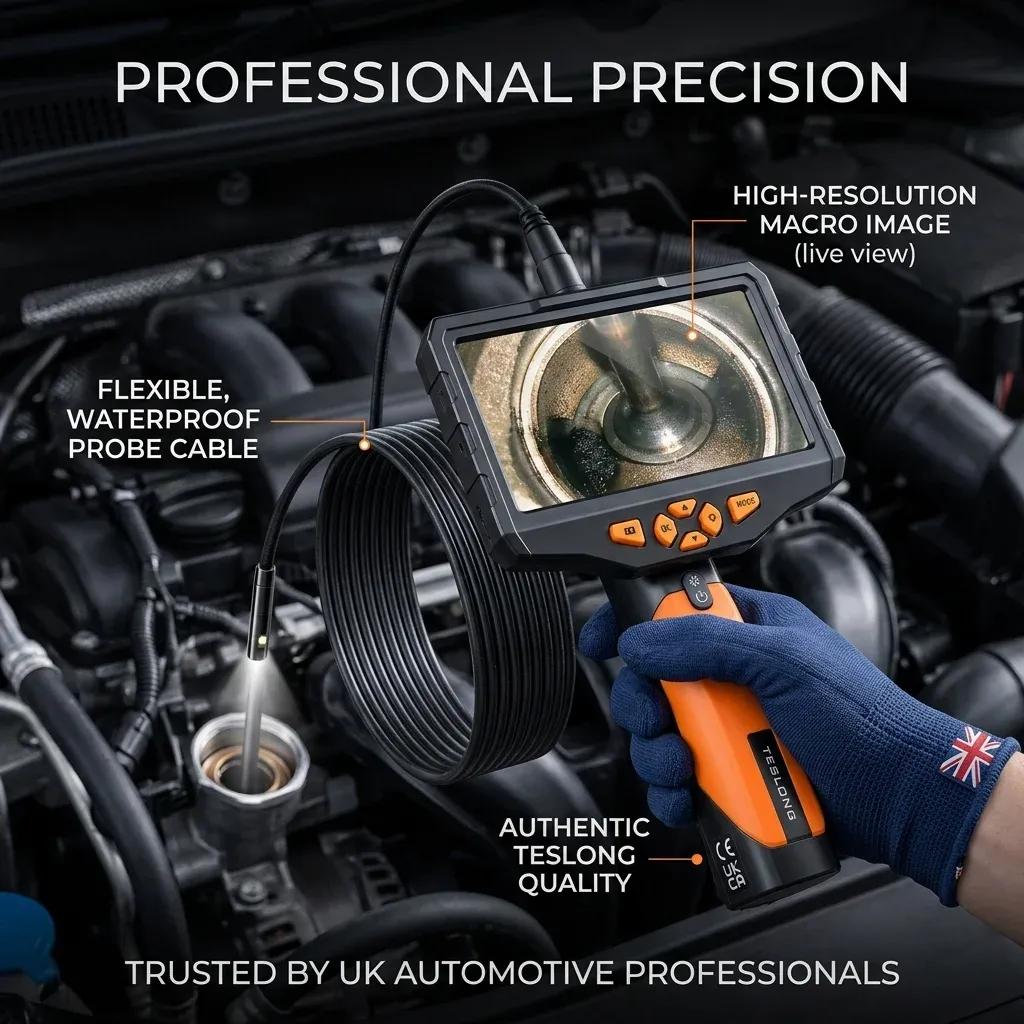
TL;DR: A chimney inspection camera is a small visual inspection tool used to look inside flues, bends and chimney voids without opening up masonry. It helps UK homeowners, landlords and tradespeople spot soot build-up, bird nests, cracked liners, damp and blockages early. Based on our testing, standalone dual-lens cameras with clear 1080P video are often easier to use in dusty, awkward chimney conditions than phone-dependent models.
Key Takeaways
- A chimney inspection camera helps you see inside flues, bends and voids without dismantling masonry or relying on guesswork.
- For UK homes, especially period properties, a camera can reveal soot build-up, bird nests, cracked liners, moisture ingress and blockages before they become expensive repairs.
- Standalone units with 1080P visibility and dual-lens viewing are often more practical than phone-dependent models in dusty, low-signal working conditions.
- Buyers should look for probe diameter, cable length, lighting control, waterproof rating, screen quality and ease of use with gloves on.
- A camera supports safer maintenance; however, it does not replace a qualified chimney sweep or professional inspection where structural defects or fire risk are suspected.
A chimney inspection camera is used to inspect the inside of a chimney or flue by sending a small camera head into tight spaces and showing live video on a screen. In other words, it lets you check for blockages, soot deposits, liner damage and damp without dismantling the chimney breast or relying on torchlight alone.
A blocked or damaged chimney rarely advertises itself clearly. You might notice a smoky fireplace, damp staining on the breast, bits of debris in the hearth or an unpleasant smell after rain. By the time those symptoms appear, the problem is often already established inside the flue where you cannot see it. That is exactly where a chimney inspection camera earns its keep.
For UK homeowners, landlords and tradespeople, chimneys remain a live maintenance issue. Many British properties still have working fireplaces, disused flues or converted heating systems that leave old chimney runs in place. In Victorian terraces, rural cottages and larger detached homes alike, access can be awkward and visibility poor. Therefore, a proper inspection camera gives you a direct view inside the chimney so you can make decisions based on evidence rather than assumption.
At DualLensIn, the focus is on practical inspection tools that make awkward jobs clearer and faster. Based on our testing of inspection cameras for tight domestic spaces, a professional Teslong borescope or dual lens inspection camera offers clear 1080P visibility in confined areas, with the added advantage of a standalone screen so there is no need to rely on your phone in dirty or unpredictable site conditions.
This guide explains what a chimney inspection camera is, when to use one, what features matter most in the UK market and how to choose a model that fits your property or trade work.
What is a chimney inspection camera?
A chimney inspection camera is a specialist visual inspection tool designed to travel into narrow flues and hard-to-reach cavities while sending live video back to a screen. In practice, it works much like a borescope or snake camera: a compact camera head is attached to a flexible cable or semi-rigid probe, then fed carefully into the chimney from above or below.
The aim is simple. You get direct visual confirmation of internal conditions such as:
- Soot accumulation
- Creosote-like tar deposits from solid fuel use
- Bird nests and other obstructions
- Cracked or displaced flue liners
- Damp patches and staining
- Masonry damage
- Debris after storms or building work
Unlike older inspection methods that depend heavily on mirrors and torches, modern cameras provide far better visibility around bends and in low light. In particular, a dual-lens model is useful because one lens can look forward while another gives an alternate angle for inspecting sidewalls or awkward joints.
Why would you use a chimney inspection camera in the UK?
The UK housing stock makes this category particularly relevant. Older homes often include chimneys that have been altered over decades: fireplaces sealed up, liners added later, ventilation changed or appliances switched from coal to wood-burning stoves and gas fires. As a result, problems can remain hidden until they affect safety or trigger repair bills.
A camera helps reduce uncertainty before arranging remedial work. For landlords managing multiple properties, that means quicker evidence gathering. For tradespeople, it means being able to show customers exactly what is happening inside the flue. For homeowners carrying out basic checks between professional sweeps, it means less guesswork.
There is also a clear safety angle. According to guidance commonly referenced by UK fire safety bodies and appliance schemes such as HETAS, chimneys serving solid fuel appliances should be swept at suitable intervals depending on fuel type and usage. A camera does not replace sweeping or certification; however, it can help identify issues early and support informed maintenance decisions.
If your wider property maintenance work also includes external drainage and roofline checks, it can be useful to compare specifications across related tools. Our pillar resource on The Ultimate Guide to Gutter Inspection Camera in the UK explains how similar inspection principles apply in another common problem area around British homes.
What can a chimney inspection camera detect?
Can it find bird nests and other blockages?
Yes. Bird nesting material is one of the most common causes of blockage in unused or lightly used chimneys across the UK. Jackdaws in particular are known for building substantial nests inside chimney pots during spring nesting season. In addition, leaves, broken masonry and windblown debris can collect over time.
Can it show soot build-up and tar deposits?
Yes. If you burn wood or smokeless fuel regularly, residues can cling to the inner flue surfaces. Excessive deposits restrict airflow and increase fire risk. Therefore, a clear visual check helps determine whether sweeping is overdue or whether combustion conditions may need reviewing.
Can it reveal cracked or damaged flue liners?
Often yes. A cracked liner may allow heat, smoke or combustion gases to escape into surrounding parts of the building fabric. This matters particularly in older homes where historic repairs may not meet current expectations for appliance installation standards.
h3>Can it help identify damp ingress?
Yes. Rain penetration through defective flashings, pots or caps can lead to staining inside the chimney breast. An inspection camera may reveal wet patches,, crumbling jointsents અથવા signs of prolonged moisture exposure deeper inside the structure. ? Wait correction needed.
Ready to upgrade your toolkit with DualLensIn?
Get Yours Now — £307.48